
One of my favorite themes in design and animation is the concept of villains. They are often seen simply as obstacles for the protagonist, but when explored more deeply, they become far more complex characters. A well-developed villain is not just “evil”; they have a backstory, motivations, internal conflicts, and reasons that justify their actions — even if those reasons are morally wrong.
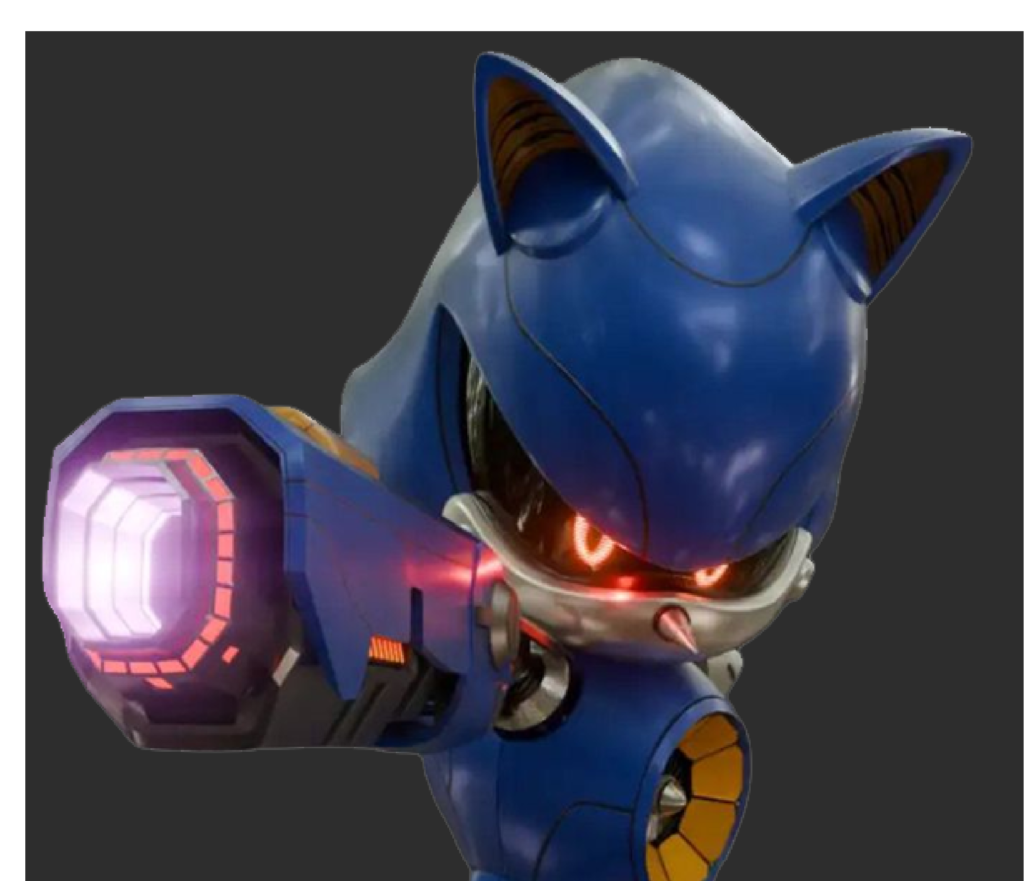
What makes villains so compelling is their psychological depth and narrative weight. They bring tension, seriousness, and emotional intensity to a story. Their presence challenges the hero not only physically, but also mentally and emotionally. A strong villain can make the protagonist feel vulnerable, threatened, or even uncertain, raising the stakes of the narrative and strengthening the overall conflict.
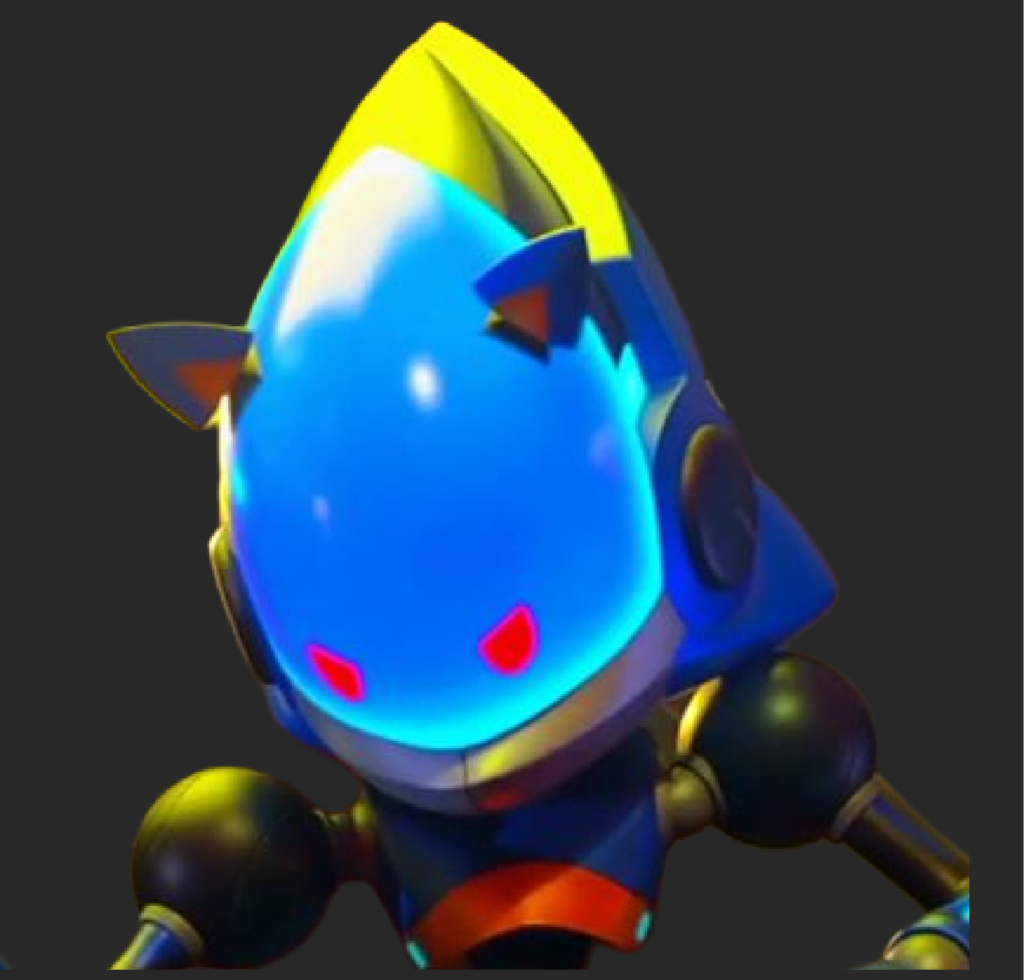
From a design perspective, villains often possess a powerful visual identity — they can be elegant, intimidating, calculated, or even unsettling. Their aura conveys dominance and determination. Additionally, there are villains whose threatening presence is combined with a “cool” and charismatic aesthetic. A clear example is Chaos Sonic from the series Sonic Prime, a character who maintains an intimidating and dangerous presence while also projecting style, confidence, and a rebellious attitude that makes him visually and narratively captivating.
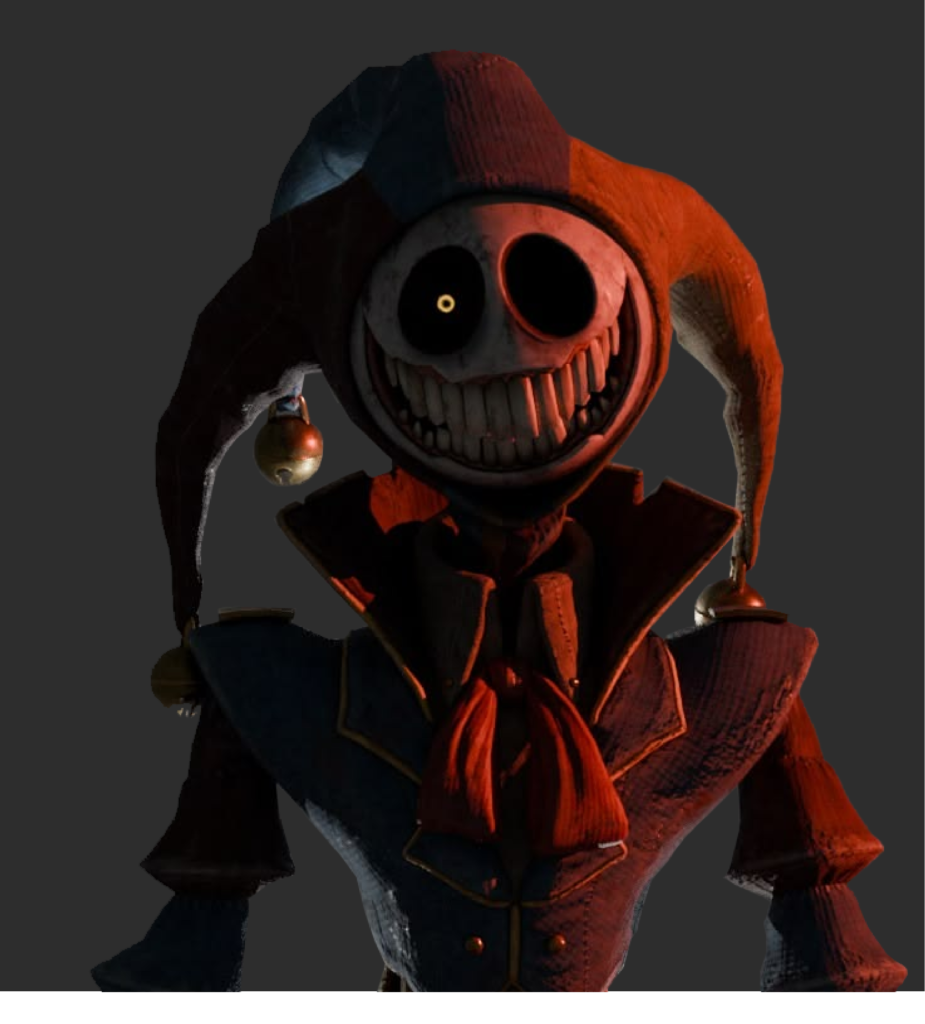
Some antagonists are not purely evil, but morally complex figures who serve as ideological or emotional challenges for the protagonist. To me, villains add sophistication and dramatic power to storytelling. They are not simply “the bad side” of a story — they are essential forces that shape the hero’s growth and define the meaning of the conflict.
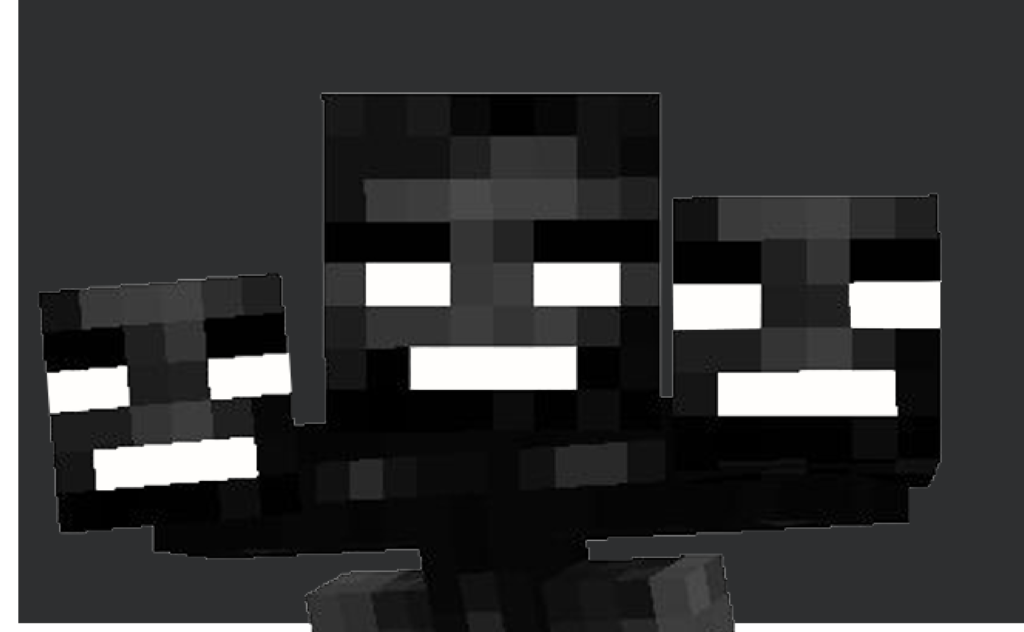
These are some of my current favorite villains. Among them, the Wither stands out as the most prominent and impactful.

